
Understanding Out-of-Network Mean for Dental Insurance: What You Need to Know
January 15, 2025
Teeth Whitening Toothpaste: Do They Really Work?
August 12, 2025
A beautiful, straight smile rarely happens naturally. Most people require some form of orthodontic treatment to achieve properly aligned teeth and an attractive smile that boosts confidence and improves dental health.
Your smile is the first impression that you give to most people. Therefore, you want it to be straight and bright. For those who have smile problems, such as crooked teeth or gaps, straightening can help. When considering orthodontic treatment options to enhance your smile, you have two primary choices: Invisalign clear aligners or traditional metal braces. Understanding the differences between these options will help you make the best decision for your specific dental needs and lifestyle preferences.
Key Differences Between Invisalign and Metal Braces
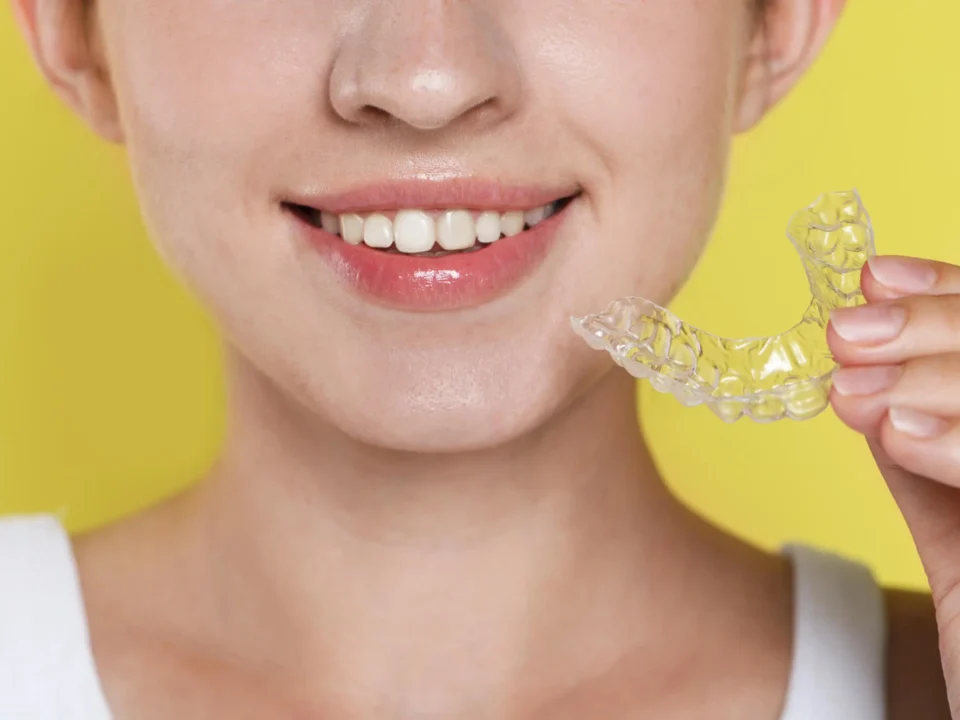
The most significant difference between Invisalign and metal braces is their approach to teeth straightening. Invisalign uses a series of removable, clear plastic aligner trays that are virtually invisible, gradually shifting your teeth into position. These trays attach to small, discreet clips on your teeth for effective tooth movement.
Metal braces, however, utilize wires, brackets, and rubber bands to reposition your teeth and jaw. The brackets are bonded to each tooth with wires and elastic bands connecting them to create the necessary tension for alignment and bite correction.
Many people prefer Invisalign over traditional braces because they don’t have visible wires across their teeth. By using clear aligning trays, Invisalign helps maintain a professional appearance, which can be especially important for news anchors, actors, models, and even business people who rely on their smile professionally.

Other important differences between these orthodontic treatment options include:
- Treatment duration – Invisalign typically shows visible results in just six months and corrects alignment in 8 to 12 months, while traditional braces generally require one and a half to three years or longer for complete teeth straightening.
- Wear requirements – Metal braces remain fixed in place throughout treatment, whereas Invisalign trays can be removed but must be worn at least 22 hours daily for optimal results and efficient treatment progress.
- Appointment frequency – Traditional braces require adjustment appointments every four weeks, while Invisalign needs fewer visits, primarily to monitor progress and provide new aligner sets for your orthodontic journey.
- Treatment suitability – Invisalign is most effective for mild to moderate orthodontic issues, such as overcrowding and minor bite problems. More complex conditions such as severe crossbites and extremely crooked teeth typically require metal braces for effective correction.
- Comfort level – Both treatments cause some discomfort, but Invisalign tends to be more comfortable overall since it doesn’t irritate the cheeks and gums like metal brackets can during the orthodontic treatment process.
- Compatibility with dental work – Invisalign may not be suitable if you have extensive dental work such as implants, crowns, or bridges that could interfere with aligner fit.
- Oral hygiene maintenance – Invisalign allows for normal brushing and flossing by simply removing the trays. Metal braces require specialized flossing techniques and careful brushing around brackets to maintain optimal dental health.
The Freedom of Removable Orthodontic Treatment
With Invisalign, you receive a series of custom-made clear aligners that can be easily removed when needed. Many patients appreciate this flexibility, especially during activities such as sports, public speaking, or special events, where they prefer not to reveal they’re undergoing orthodontic treatment.
Traditional metal braces remain permanently attached throughout your treatment period, meaning you’ll continuously have visible metal components on your teeth until your orthodontic correction is complete.
The removable nature of Invisalign also significantly impacts dietary restrictions during orthodontic treatment. With metal braces, you must avoid numerous foods that could damage brackets or wires, potentially delaying your treatment progress and smile transformation.
Invisalign offers much more dietary freedom since you simply remove the aligners before eating, enjoy your meal without restrictions, then brush and floss before reinserting them for continued teeth straightening. This also makes oral hygiene much easier, as you don’t need special supplies to brush around braces and can adequately remove food from your teeth, helping you avoid problems that stem from neglecting these habits.
Enhanced Comfort and Visible Progress
While metal braces have brackets and components that can cut your gums or the inside of your mouth, Invisalign trays have a smooth plastic construction that protects the delicate tissues inside your mouth from abrasions common with traditional braces.
Though some people report minor discomfort when they graduate to new aligners, most describe a feeling of pressure rather than pain. This feeling indicates that the teeth are adjusting to their new positions with the help of the tray.
Traditional braces will cause mouth and gum soreness for about a week after you first get them and whenever you have them adjusted. The metal can cause mouth sores that acidic foods and rubbing against the braces can worsen.
With Invisalign, you change trays every week or two, allowing you to immediately see how much your teeth are moving closer toward their final positions. This visible evidence of progress often makes it easier to comply with treatment, keeping the trays in your mouth for the recommended 20-22 hours daily. Traditional braces cannot offer this same visual motivation as the wires hide your teeth, making it more difficult to see how much your smile changes throughout the process.
Cost Considerations and Treatment Planning
If you choose traditional braces because you think they will cost less, you might be surprised. According to the Consumer Guide to Dentistry, the average cost for Invisalign treatment can range from $4,000 to $5,000 nationwide, while traditional braces typically cost between $4,000 and $7,000. Therefore, in some instances, Invisalign may cost less than braces. Additionally, your dental insurance may cover a portion of the cost of your Invisalign treatment.
Another advantage of Invisalign is its fully computerized treatment approach. Invisalign utilizes advanced technology to create custom trays that straighten your teeth. From the beginning of treatment, you’ll know how long you’ll need to wear the trays, how many trays you’ll need, how often you need to visit the dentist, and what your teeth will look like after treatment.
With standard braces, the process requires an orthodontist’s expert eye to straighten your teeth through manual adjustments, and you won’t know your final results until after treatment.
Take the Next Step: Schedule an Invisalign Consultation in Matthews
Begin your journey to a better smile by scheduling a personalized Invisalign consultation with the experienced dental team at Matthews Family Dentistry. Achieving straight teeth has never been more comfortable or convenient.
This comprehensive consultation will determine if you’re an ideal candidate for Invisalign treatment, provide a preview of your expected results, and give you the opportunity to ask any questions about the orthodontic process and how it can improve both your smile aesthetics and dental function.
If you’re unhappy with your smile, see us at Matthews Family Dentistry. We can help you determine if you qualify for Invisalign over traditional braces. Requesting your Invisalign consultation is simple. Just complete our brief online form, and our friendly office staff will contact you to arrange your appointment. Transform your smile with this convenient and discreet orthodontic solution that has helped millions achieve the straight, beautiful teeth they’ve always wanted.